In the spring of 2026, if you called a builder, a contractor, or a land use attorney about a rebuild in Point Pleasant Beach, you likely heard some version of the same warning: get your application in before July 20, 2026, or your project gets measured against a stricter, more expensive flood elevation standard. Foundation plans were being rushed to the borough's building department. Buyers eyeing older, unraised cottages as future rebuild candidates were told to move fast or lose their window entirely.
That deadline doesn't exist anymore. On June 1, 2026, Governor Mikie Sherrill and NJDEP Commissioner Ed Potosnak pushed the enforcement date back a full year, to July 20, 2027. The underlying rule, a new statewide requirement that new construction and substantially improved buildings in coastal flood zones sit four feet above FEMA's base flood elevation, is unchanged. What moved is the runway. For anyone weighing an older, unraised home against a newer, already elevated one on the same Point Pleasant Beach block, that runway is most of the conversation.
The Rule Everyone Learned in a Hurry
New Jersey's Department of Environmental Protection adopted the Resilient Environments and Landscapes rule, known as REAL, on January 20, 2026, after more than a year of public comment. The rule sets a new Climate Adjusted Flood Elevation standard: FEMA's base flood elevation plus four feet, a figure the DEP lowered from an originally proposed five feet after pushback from shore towns, developers, and business groups during the comment period.
The rule came with a legacy clause. Projects with applications the DEP deemed administratively and technically complete before the enforcement date could still build under the older, lighter standard, often one to two feet of freeboard above base flood elevation depending on the municipality. That clause is why builders and buyers across the Jersey Shore spent early 2026 treating July 20 as a hard wall. Miss it, and a project that might have needed a modest elevation now needed several additional feet of foundation, stairs, and structural work.
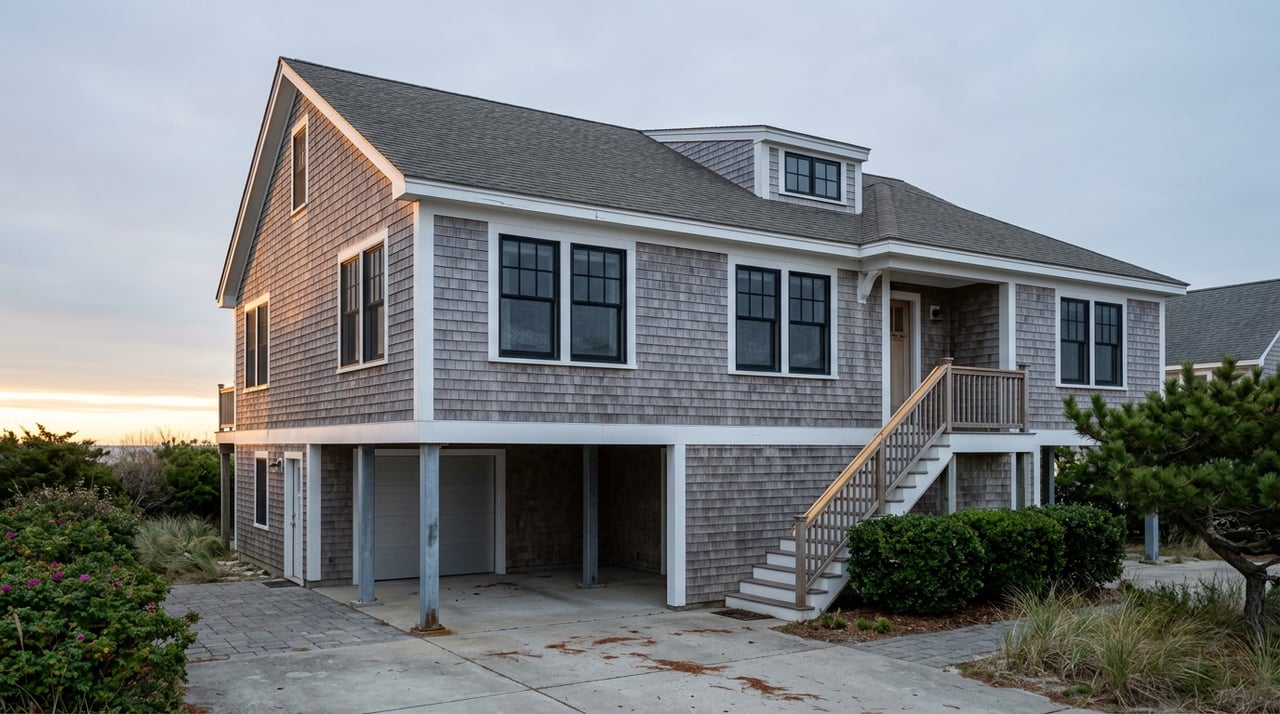
Point Pleasant Beach has more reason than most towns to care about this kind of rule. The borough's own zoning code, Chapter 19, contains provisions written specifically to govern the raising of single-family homes to comply with Advisory Base Flood Elevations and established Base Flood Elevations following Hurricane Sandy's 2012 storm surge. That code allows a home in a zone with a 20-foot height cap to be raised as high as 22 feet if the extra height comes from meeting flood elevation requirements, and it limits any stairs added to reach a raised first floor to six feet in width, uncovered, so they don't count as a porch or deck under the borough's coverage rules. Those aren't generic statewide provisions. They were written for a town that has spent more than a decade rebuilding street by street.
What Actually Moved, and What Didn't
The June 2026 announcement didn't touch the four-foot standard itself. It moved the legacy application window from July 20, 2026 to July 20, 2027, giving the DEP a year to run a stakeholder review and consider targeted amendments before the rule takes full effect on new applications. If you're comparing an unraised cottage to a newer elevated build in Point Pleasant Beach right now, this distinction matters more than almost anything else in the listing sheet.
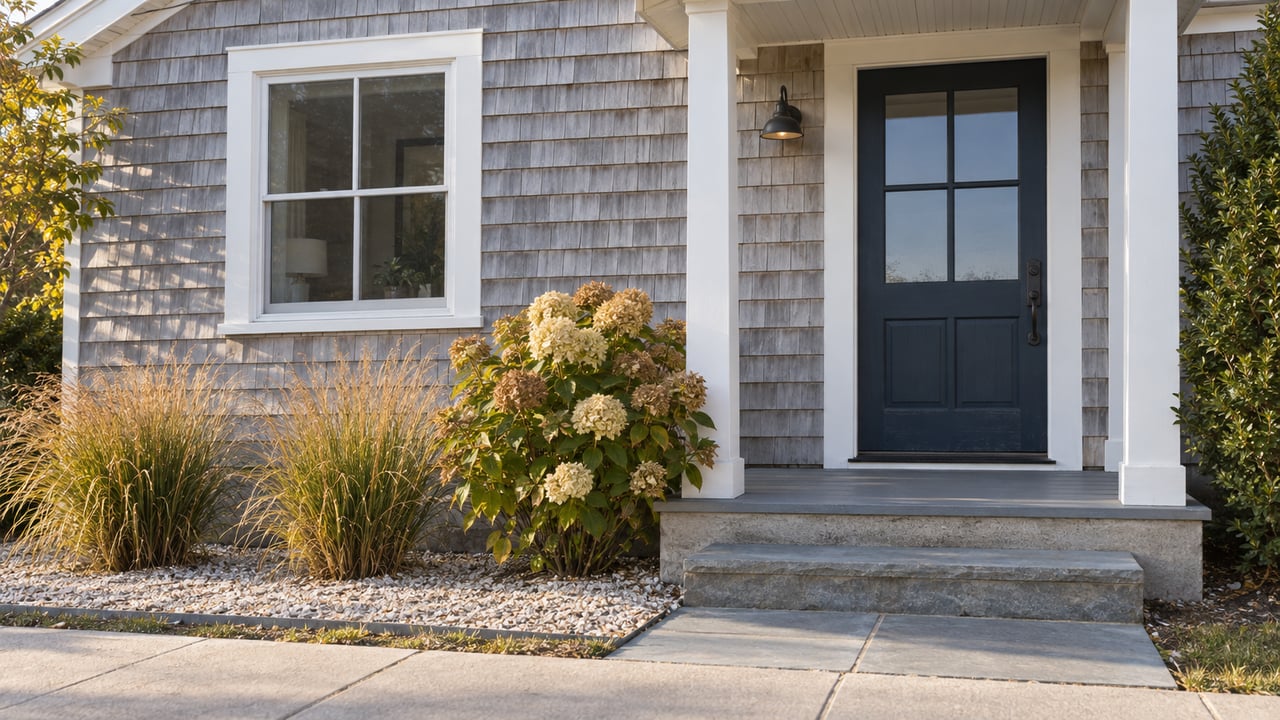
A cottage that hasn't been touched since before Sandy isn't suddenly required to meet the new standard just because it exists. The requirement attaches to new construction and substantial improvement, not to ownership of an older structure. But if a rebuild is part of your plan, whether you buy the cottage and start the permitting process yourself or you're evaluating a builder's proposal, the extra year changes what "urgency" actually means. A year ago, an unraised property looked like a ticking clock. Today it looks more like a property with a longer, calmer runway to plan a compliant rebuild without the compressed timeline that was driving some of 2026's spring permitting rush.
Why the Timing Question Lands Differently Here
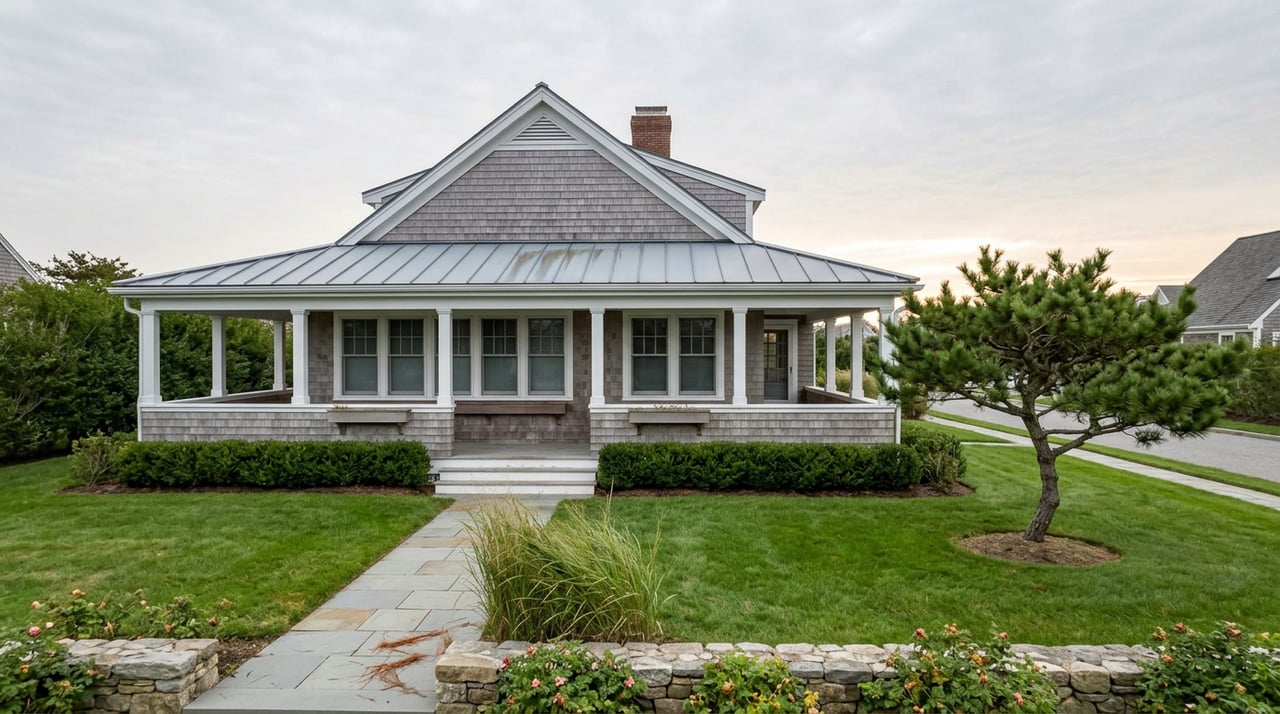
Point Pleasant Beach's housing stock is unusually split between two eras: homes rebuilt or substantially raised in the years following Sandy, and older cottages that never went through that process. That split is about to show up somewhere new. The borough is in the middle of a property revaluation for the 2026 tax year, ordered by the Ocean County Board of Taxation and carried out under state oversight, the first full reassessment since the earlier post-Sandy cycle. A revaluation like this captures every property at current full and fair market value in one pass, which means it's likely to be the first assessment cycle to draw a clear line between homes that went through the rebuild and elevation process and homes that didn't.
That's worth sitting with if you're comparing two similarly sized homes on the same street, one raised and modern, one original and low to the ground. Their assessed values, their flood insurance premiums, and their actual exposure in a storm can all diverge sharply even when their square footage and lot size look identical on paper. New Jersey property owners typically have a narrow window each spring to appeal a new assessment, so if you close on a home mid-revaluation, it's worth asking your title company or attorney where that property landed and whether the appeal window is still open.
Questions Worth Asking Before You Write an Offer
If you're looking at an older, unraised home in Point Pleasant Beach with an eye toward a future rebuild, a few questions will tell you more than the listing photos ever could:
- Does the seller have a current elevation certificate for the property, and if not, has one ever been done? A licensed surveyor's certificate establishing the lowest floor elevation relative to base flood elevation is the single most useful document for estimating both insurance cost and rebuild scope.
- What FEMA flood zone is the property in on the current Flood Insurance Rate Map, AE, Coastal A, or VE? Oceanfront and near-oceanfront blocks in Point Pleasant Beach frequently carry VE designations, which come with the highest insurance mandates.
- If a rebuild has already been discussed, has anything been filed with the borough's building department or the DEP, and does that filing fall inside the legacy window that now runs through July 2027?
- What would flood insurance actually cost at the property's current elevation versus a version raised to the new four-foot-above-BFE standard? The gap is often larger than buyers expect, and it compounds over the life of ownership.
The Cottage-or-Rebuild Math, Revisited
None of this makes an unraised cottage a bad purchase. It makes the urgency around it different than it was six months ago. Buyers who felt pressure to close fast and file a rebuild application before a July 2026 wall now have an extra year to do the parts of the homework that get skipped under a deadline: a proper survey, a wetlands check if the lot borders tidal water, a real conversation with a builder about what four additional feet of elevation does to a floor plan and a budget.
On the other side, buyers looking at a newer, already elevated home shouldn't assume its premium is automatically justified just because "the rules are getting stricter." The rules did get stricter, on paper, back in January. But the timeline pressure that made an elevated rebuild feel urgent has eased. The question worth asking about any elevated new construction in Point Pleasant Beach right now isn't whether it beat a deadline. It's whether its actual elevation, insurance profile, and build quality justify what it's asking, on its own terms.
A Few Quick Answers
Did the one-year delay mean the new elevation rule went away? No. The four-foot-above-base-flood-elevation standard adopted in January 2026 is still in effect. Only the legacy application deadline moved, from July 2026 to July 2027.
Does this affect a home I'm buying to live in as-is, with no renovation plans? The elevation requirement attaches to new construction and substantial improvement, not to simply owning an older home. That said, a home's current elevation still shapes its flood insurance cost and how it may be viewed by future buyers, so it's still worth knowing before you close.
Is Point Pleasant Beach unusual, or does this apply shore-wide? The REAL rule is a statewide standard. Point Pleasant Beach stands out because its own zoning code has specific, longstanding provisions built around the post-Sandy rebuild process, and because its current revaluation is likely to be the first to show how differently raised and unraised homes are now being valued.
If you're weighing an older Point Pleasant Beach home against a newer build and want a clearer read on what a specific property's elevation, insurance profile, and rebuild potential actually look like, that's a conversation worth having before you write an offer, not after. You can see more on the town's neighborhood profile or get a sense of where your own numbers stand with a home valuation.
Carly Ringer has spent years watching Point Pleasant Beach rebuild street by street, and knows which questions a listing sheet won't answer for you. Let's Connect.