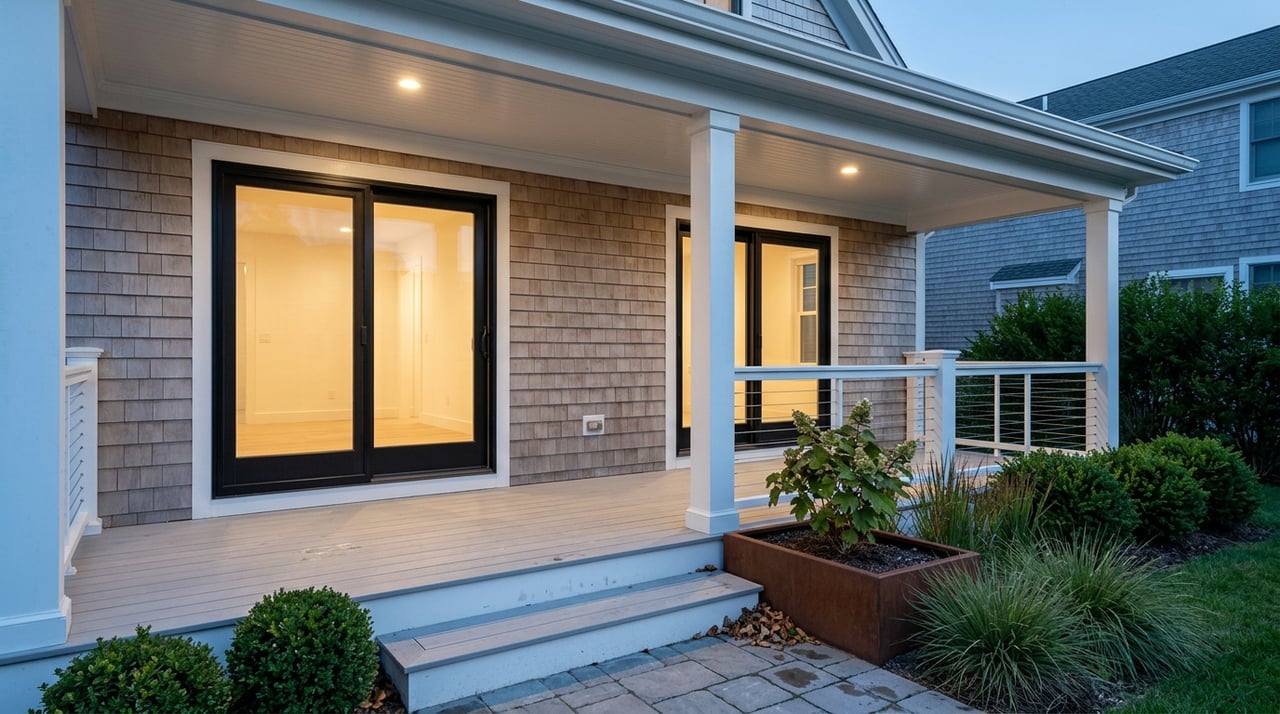
Thinking about buying a vacation home in Point Pleasant Beach? You are not alone. This is a small, built-out Jersey Shore town where lifestyle, location, and long-term carrying costs all matter, especially if you plan to use the home seasonally or rent it at times. If you want a clearer picture of what ownership really looks like here, this guide will walk you through the essentials. Let’s dive in.
Why Point Pleasant Beach Appeals to Vacation-Home Buyers
Point Pleasant Beach has long been a summer destination, and that history still shapes the ownership experience today. The borough sees a major rise in visitors from early spring through late fall, which affects everything from traffic and parking to service demand.
It is also a relatively small market. Census data shows Point Pleasant Beach has 4,855 residents across just 1.4 square miles, with a median owner-occupied home value of $850,300. In a compact coastal town like this, small differences in block, beach access, and property type can have a big impact on value and day-to-day enjoyment.
What the Housing Stock Looks Like
Point Pleasant Beach is largely a single-family market with a strong seasonal overlay. Borough planning documents show that most of the housing stock has historically been single-family detached, with some attached homes, townhouses, and higher-density pockets mixed in.
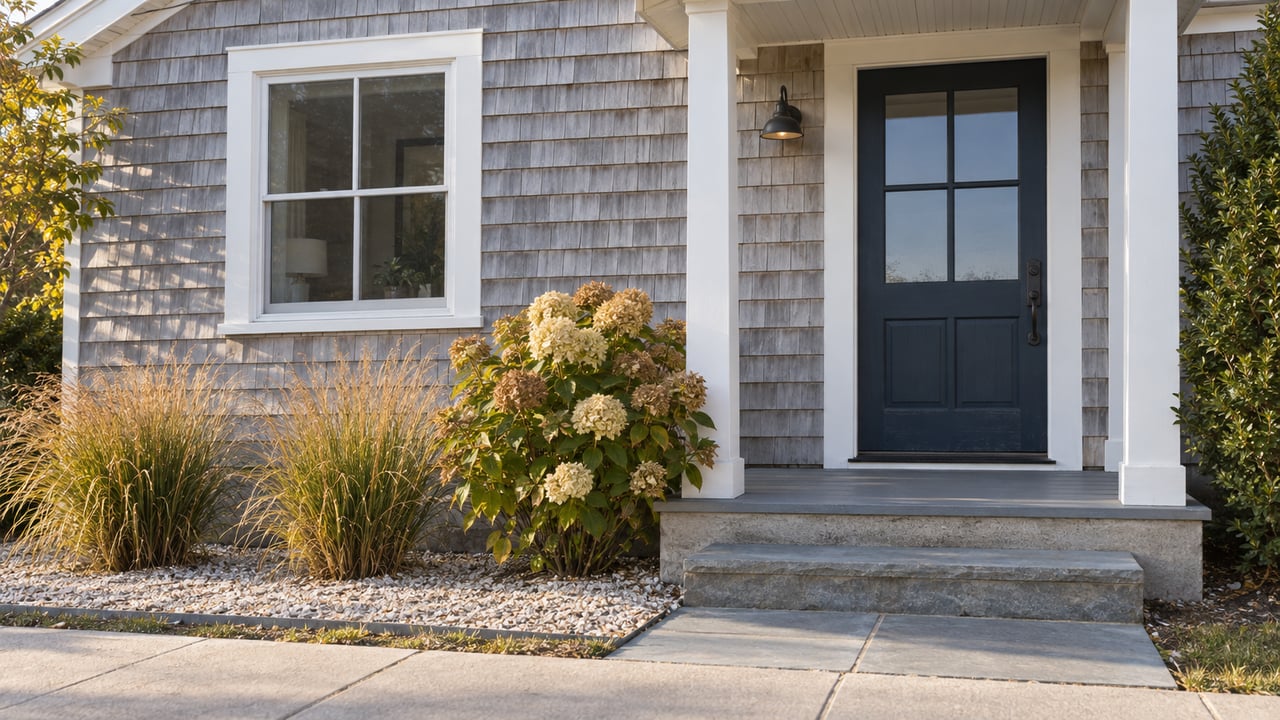
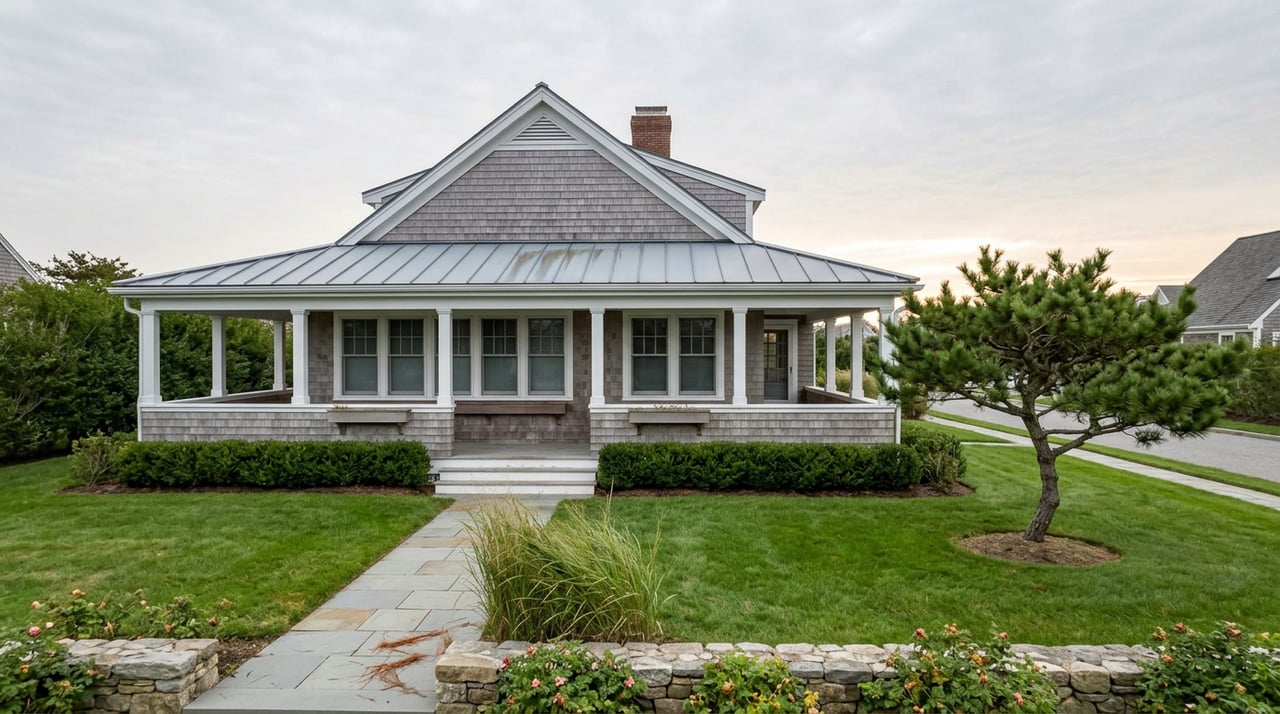
You will also see a wide range of property styles. Older cottages, updated beach houses, and newer year-round homes can sit close to one another, partly because the borough has seen long-term conversion of seasonal homes into full-time residences.
Because the town is mostly built out, there are few large undeveloped tracts left. That helps explain why inventory can feel tight and why exact location often matters as much as square footage.
Vacation-Home Ownership Is About More Than the House
A vacation property in Point Pleasant Beach is not just about finding the right number of bedrooms or being close to the ocean. You also need to think about how the home will function when you are there, when you are away, and during peak summer months.
This is a town with a very real seasonal rhythm. Municipal parking and street meters operate on seasonal schedules, and refuse collection shifts to a summer schedule beginning the third Monday in May and ending the third Monday in September. Those details may seem small at first, but they shape how convenient ownership feels during the busiest part of the year.
Beach Access Can Vary by Location
One of the biggest mistakes vacation-home buyers can make is assuming every nearby property offers the same beach experience. In Point Pleasant Beach, that is not always true.
The borough’s planning documents describe a mixed beachfront access model. There are areas of private beach with public access, private beach without public access, and access points protected by easements. Before you buy, it is smart to verify exactly what kind of beach access is tied to the location you are considering.
That matters for both lifestyle and resale. Two homes may be only a few blocks apart, but the practical difference in beach access can change how often you use the property and how future buyers view it.
Know the Carrying Costs Before You Buy
For many second-home buyers, the monthly payment is only part of the story. In Point Pleasant Beach, carrying costs can be a major part of the ownership equation.
The borough’s 2025 tax rate is 1.803 per $100 of assessed value. That means a property assessed at $1 million would owe about $18,030 per year before exemptions or special circumstances. On top of that, Point Pleasant Beach is in a 2026 revaluation cycle, so assessments and tax bills may shift.
A realistic budget usually includes more than mortgage, taxes, and standard homeowners insurance. You may also need to account for flood insurance, storm prep, HVAC and moisture control, seasonal parking, yard care, and repairs that help keep the home ready during stretches when you are not there.
Flood Risk Is a Core Buying Factor
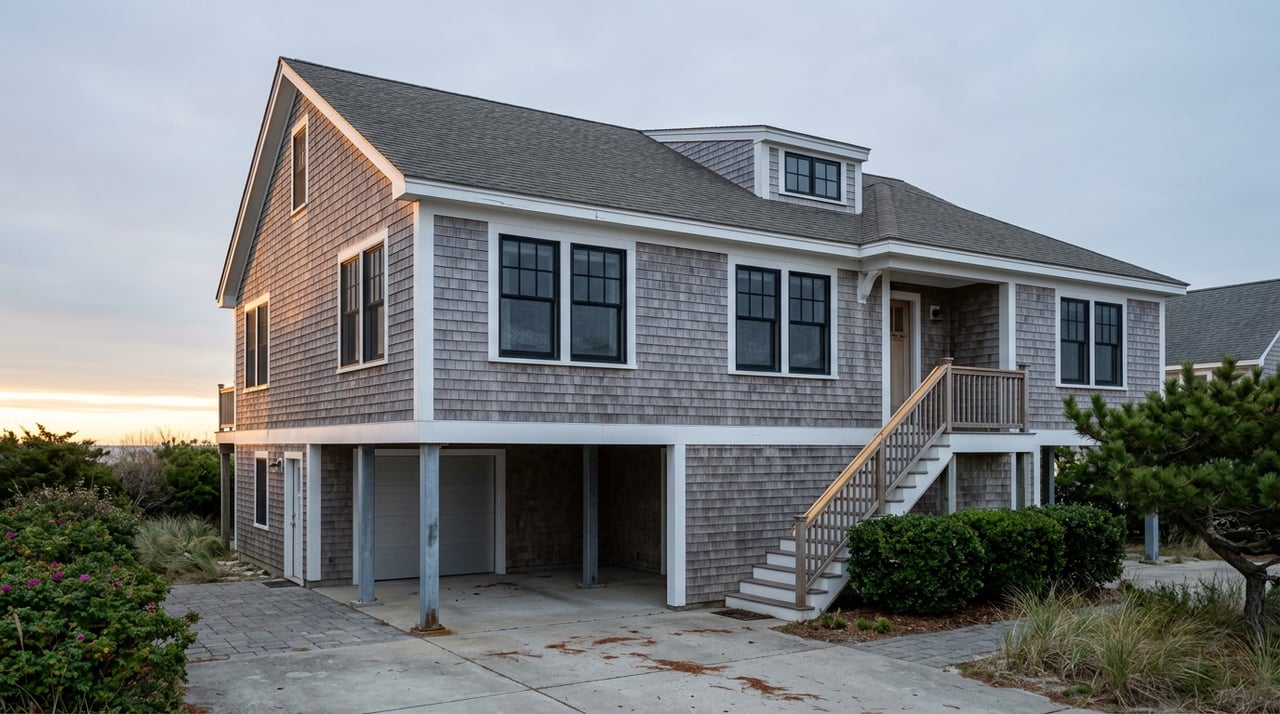
If you are buying near the shore, flood risk should be part of your decision from day one. In Point Pleasant Beach, this is a practical ownership issue, not a side note.
The borough participates in FEMA’s Community Rating System, which provides a 20% premium discount on qualifying NFIP policies in Special Flood Hazard Areas. The borough also notes that flood insurance is required for almost every mortgage on homes in flood zones.
If a property is in or near a floodplain, ask questions early. Confirm flood-zone status, ask whether an elevation certificate already exists, and check with the Building Department before planning any work in a floodplain.
Renting Out Your Vacation Home Has Rules
Some buyers hope to offset costs by renting out their vacation home. In Point Pleasant Beach, that plan needs careful review because local rules are relatively restrictive.
The borough requires rental registration and inspection before occupancy or advertising. Inspections cover items such as smoke detectors, carbon monoxide detectors, fire extinguishers, utilities, appliances, and the exterior.
The rental timing rules are especially important. From September 30 through May 15, no dwelling may be rented for less than one month. From May 15 through September 30, the minimum rental period is seven days.
In practical terms, that means weekend-style short-term rental use is largely not allowed here. If occasional renting is part of your ownership plan, you will want to review the local ordinance and licensing requirements carefully before you buy.
State Tax Rules Are Separate From Local Rental Rules
It is also important to separate local rental restrictions from state tax treatment. New Jersey says transient accommodations obtained through a marketplace or a professionally managed unit are subject to state sales tax and the 5% state occupancy fee, while direct owner rentals that are not professionally managed are generally not subject to those taxes. Broker-executed rentals are also excluded.
Even so, those state tax rules do not override Point Pleasant Beach’s local rental-duration limits or registration requirements. If you are buying with income in mind, both sets of rules matter.
A Smart Buyer Checklist for Point Pleasant Beach
Before you move forward on a vacation home here, focus on the issues that have the biggest impact on cost, use, and resale.
Confirm flood-zone details
Ask whether the home is in a flood zone and whether an elevation certificate is available. This can affect insurance, financing, and future improvement plans.
Verify beach access
Do not assume the nearest beach access works the same from one block to the next. Confirm the access structure tied to the specific location.
Budget beyond the mortgage
Look closely at taxes, insurance, and seasonal ownership costs. With the 2026 revaluation cycle ahead, tax planning matters even more.
Review rental rules early
If you hope to rent the property at all, make sure the local rental ordinance supports your plan. Registration, inspection, and minimum-stay rules should be part of your decision before you go under contract.
Build a shore-property support team
Vacation-home ownership tends to go more smoothly when you have local help lined up. Depending on the property, that may include flood insurance guidance, HVAC service, plumbing, electrical, landscaping, cleaning, and storm-prep support.
Why Local Market Guidance Matters
Point Pleasant Beach is the kind of market where broad shore advice is not enough. It is a small, highly specific town with limited inventory, seasonal patterns, different beach-access realities, and ownership costs that can vary significantly from one property to the next.
That is why buyers often benefit from a town-by-town approach. When you understand the numbers, local rules, and block-by-block tradeoffs, you are in a much better position to choose a vacation home that fits both your lifestyle and your long-term budget.
Whether you are looking for a classic beach cottage, a renovated year-round home, or a property with occasional rental potential, the goal is the same: buy with clear expectations. If you want help comparing options in Point Pleasant Beach and the surrounding Jersey Shore market, connect with Carly Ringer for thoughtful, local guidance.
FAQs
What makes Point Pleasant Beach appealing for a vacation home?
- Point Pleasant Beach offers a long-established shore lifestyle, a compact coastal setting, and a housing market shaped by seasonal and second-home ownership.
What types of homes are common in Point Pleasant Beach?
- Borough planning documents show a market dominated by single-family homes, with some attached homes, townhouses, and higher-density residential pockets.
What should buyers know about beach access in Point Pleasant Beach?
- Beach access can vary by location because the borough includes private beach with public access, private beach without public access, and easement-protected access points.
How much are property taxes in Point Pleasant Beach?
- The borough’s 2025 tax rate is 1.803 per $100 of assessed value, so a home assessed at $1 million would owe about $18,030 annually before exemptions or special circumstances.
Do Point Pleasant Beach vacation homes need flood insurance?
- Many do, especially if the property is in a flood zone, and the borough notes that flood insurance is required for almost every mortgage on homes in flood zones.
Can you use a Point Pleasant Beach vacation home as a short-term rental?
- Local rules are restrictive, with a seven-day minimum rental period from May 15 through September 30 and a one-month minimum from September 30 through May 15, along with registration and inspection requirements.