Thinking about listing your Spring Lake Heights home this season? In a market where homes are moving quickly and many sellers are seeing strong pricing, the biggest advantage is not just listing fast. It is listing with a plan. If you want to attract serious buyers, avoid preventable delays, and understand the local steps that matter in Spring Lake Heights, this guide will walk you through the process from prep to closing. Let’s dive in.
Understand the Spring Lake Heights market
Before you do anything else, get clear on the local market you are stepping into. Spring Lake Heights is currently a competitive seller’s market, with Redfin reporting a median sale price of $1.07 million for the three months ending May 2026.
That same report showed homes selling in about 11 days, with many receiving multiple offers. Redfin also reported that the average home sold for about 3% above list price and went pending in around 14 days. Realtor.com also labeled Spring Lake Heights a seller’s market in March 2026, which supports the same overall takeaway: buyer demand is strong.
That does not mean every home will sell the same way. Your price, condition, timing, and presentation still shape the outcome. In a shore-area market, those details matter even more because buyers often compare homes quickly and act fast when the right one hits the market.
Start earlier than you think
One of the most common seller mistakes is waiting until they are ready to move before starting the listing process. In Spring Lake Heights, it is smarter to begin early enough to handle pricing, repairs, staging, disclosures, photography, and the borough inspection process before your launch week.
This matters even more in late spring and early summer. Monmouth County launched its 2026 summer tourism season on May 19, and county tourism materials position the Jersey Shore as a destination for day trips, weekend getaways, and longer stays.
For you as a seller, that seasonal traffic can increase buyer attention as the shore season builds. Being market-ready before that window peaks can help you capture interest when more people are actively looking.
Step 1: Price from recent sales
Your list price should be based on recent comparable sales, not your tax assessment or tax bill. The Spring Lake Heights assessor makes this distinction clear by noting that the office determines assessed market value, while taxes are based on the levy and the borough’s net valuation.
The assessor also notes that assessed market value can change annually. So if you are trying to estimate what your home should list for, the better starting point is current market evidence from similar homes that have recently sold.
This is where data-driven pricing matters. In a fast-moving seller’s market, overpricing can still slow momentum, while strategic pricing can help generate stronger interest and better offers.
Step 2: Make a repair and prep plan
Once pricing is underway, turn your attention to condition and presentation. You do not necessarily need a full renovation to get your home ready, but you should handle visible issues that could distract buyers or raise concerns.
Focus first on light repairs, deferred maintenance, and anything that affects the first impression. Think chipped paint, loose hardware, worn caulk, burned-out bulbs, scuffed walls, and anything that makes the home feel less cared for.
At the same time, start depersonalizing and simplifying the space. Buyers respond better when they can focus on the home itself rather than your belongings, collections, or crowded surfaces.
Step 3: Clean, declutter, and stage key rooms
Staging can make a measurable difference. According to the 2025 NAR staging report, 83% of buyers’ agents said staging makes it easier for buyers to envision the property as their future home.
The same report found that 29% of agents said staged homes received 1% to 10% more in the dollar value offered, and 49% of sellers’ agents said staging reduced time on market. That is why staging is not just a finishing touch. It is part of a smart listing strategy.
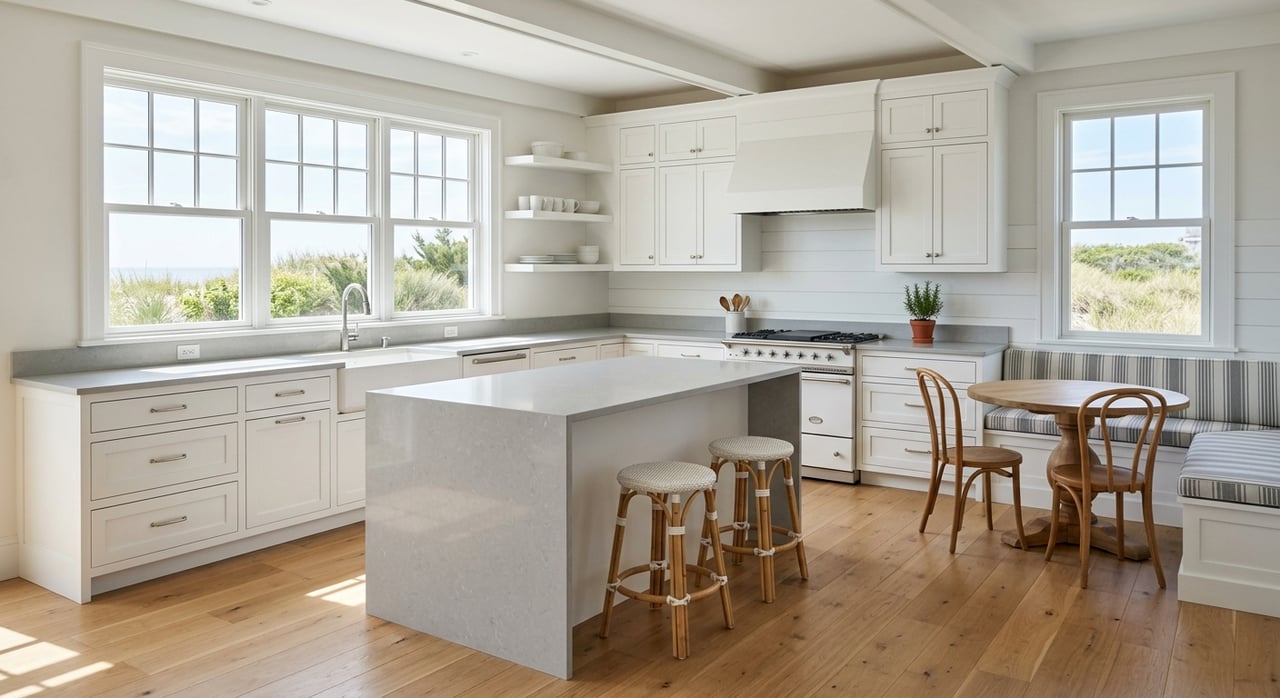
The rooms most often staged are the living room, primary bedroom, dining room, and kitchen. NAR also says the most common seller recommendations are decluttering, deep cleaning, and improving curb appeal.
If you are deciding where to focus your time and budget, start there:
- Declutter closets, counters, and open surfaces
- Deep clean kitchens, baths, floors, and windows
- Refresh the living room and primary bedroom first
- Tidy landscaping and entry areas
- Remove overly personal decor
Step 4: Improve curb appeal
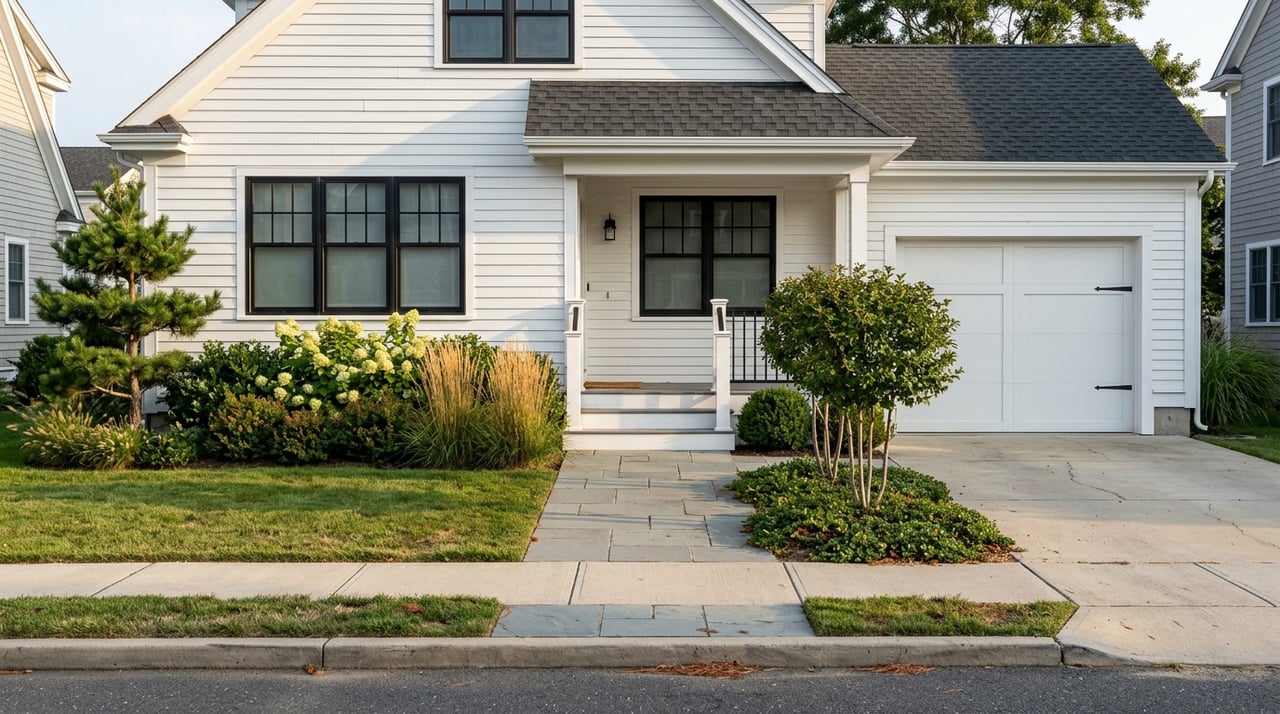
In Spring Lake Heights, curb appeal supports both marketing and compliance. The borough’s certificate of inspection checklist states that the exterior of the property and buildings must be clean, neat, and orderly.
That means basic exterior tidiness is not just good advice for photos and showings. It also aligns with local transfer-of-title expectations.
Simple updates can go a long way here. Sweep walkways, clean up planting beds, trim overgrowth, put away bins, and make sure the front entry looks cared for and welcoming.
Step 5: Book photos and video before launch
Strong marketing starts before your home goes live. NAR reports that buyers’ agents value photos, traditional staging, videos, and virtual tours in listings, which makes your media plan a real part of the sales process.
Do not rush this step. Photography and video should be scheduled after the home is cleaned, staged, and fully ready to show.
That way, the first impression buyers get online matches the best version of your home. In a market where many buyers move quickly, your launch assets can shape whether they book a showing right away or scroll past.
Step 6: Complete disclosures early
Paperwork can slow a sale if you leave it until the last minute. New Jersey’s Seller’s Property Condition Disclosure Statement requires you to disclose known material defects, even if they are not specifically listed on the form.
The form also makes clear that it is not a substitute for a professional inspection. In other words, it is your responsibility to share what you know, while buyers may still choose to conduct their own inspections.
Flood disclosure is also a major part of this step. Since March 20, 2024, sellers must disclose specific flood risk information before a buyer becomes obligated under a purchase contract.
The disclosure form asks about:
- FEMA flood zones
- Flood insurance requirements
- Flood claims
- Whether an elevation certificate is available
It also notes that standard homeowners insurance typically does not cover flood damage. If your property has flood history or documentation related to flood risk, gather that information early so you are prepared.
Step 7: Plan for the borough inspection
Spring Lake Heights has a local transfer-of-title requirement that sellers should build into the timeline. The borough’s certificate of inspection application applies to title transfers and lists a $200 fee for a single-family transfer.
The form also notes that fees are non-refundable and non-transferable. For non-single-family uses, it states that a zoning permit is required.
The checklist includes safety items that must be in place, including smoke alarms, carbon monoxide alarms, and a fire extinguisher. It specifies that alarms should be located on each level and near sleeping areas, and that the extinguisher should be within 10 feet of the kitchen.
This is one reason to start early. You want enough time to complete the application, prepare the property, and fix any issues before closing pressure sets in.
Step 8: Launch with a clear offer strategy
Once your home is ready, your launch should be coordinated, polished, and intentional. In a competitive market, the goal is not just to get offers. It is to create the strongest possible position for reviewing them.
That means looking beyond headline price. A strong offer may also depend on financing strength, inspection terms, timing, contingencies, and how likely the deal is to stay together through closing.
Because Spring Lake Heights homes may attract multiple offers, it helps to review each one with a full-picture mindset. The highest number is not always the best net result.
Step 9: Budget for seller closing costs
Before accepting an offer, make sure you understand the seller costs that may affect your net proceeds. In New Jersey, sellers generally pay the Realty Transfer Fee at closing unless an exemption applies.
There is another important threshold to watch in Spring Lake Heights. For residential transfers over $1 million, New Jersey now imposes a Graduated Percent Fee on the seller ranging from 1% to 3.5% depending on the sale price.
That is especially relevant locally because the recent median sale price is already around $1.07 million. If your home may sell near or above that mark, you should factor that fee into your planning early rather than treating it as a surprise at the end.
Step 10: Know if estimated tax rules apply
Some sellers may also need an estimated tax payment at closing. New Jersey’s guide says nonresident sellers generally must pay estimated Gross Income Tax equal to 2% of consideration or 8.97% of net gain, unless they qualify for an exemption.
The same guide also notes that a principal residence is a home you continually occupy, not a rental, second home, or vacation home. In a shore market like Spring Lake Heights, that distinction can matter.
If you own a second home or vacation property, this is worth reviewing well before closing. It is another reason to treat your sale as a staged process, not just a listing date.
Step 11: Prepare for summer closing logistics
If your transaction lands in summer, expect a few moving pieces to come together at once. The Spring Lake Heights tax collector states that annual tax bills are generally prepared after the county tax board certifies the rate, usually in July, with the first installment due August 1.
That timing can overlap with prorations, final figures, and municipal paperwork. If your closing is scheduled around that part of the calendar, staying organized becomes especially important.
A smooth closing usually comes from preparation, not luck. When you know what is coming, it is easier to make decisions calmly and keep the process moving.
Why a step-by-step plan matters
Selling in Spring Lake Heights can look simple from the outside because demand is strong. But a strong market does not remove the need for pricing discipline, polished presentation, disclosure accuracy, and local compliance.
The sellers who tend to do best are usually the ones who prepare in phases. They price from real comps, get the home show-ready, complete paperwork early, and review offers with a clear understanding of net proceeds.
That kind of structure helps you protect both your time and your outcome. If you want a sale that feels less reactive and more strategic, a step-by-step plan is the right place to start.
If you are getting ready to list and want local guidance tailored to your home, timing, and goals, Carly Ringer can help you build a smart plan from pricing through closing.
FAQs
When should I start preparing to list a Spring Lake Heights home?
- Start early enough to handle pricing, light repairs, staging, disclosures, photography, and the borough inspection before launch week.
How should I price my Spring Lake Heights home before listing?
- Base your price on recent comparable sales, not your tax assessment or tax bill, since the borough assessor states assessments and taxes do not directly determine market list price.
What disclosures are required when selling a home in New Jersey?
- Sellers must disclose known material defects, and since March 20, 2024, they must also provide specific flood risk information before a buyer becomes obligated under a purchase contract.
What is the Spring Lake Heights certificate of inspection for a home sale?
- For a title transfer, the borough requires a certificate of inspection application, a $200 fee for a single-family transfer, and safety items like smoke alarms, carbon monoxide alarms, and a fire extinguisher.
What seller costs matter if my Spring Lake Heights home sells over $1 million?
- In addition to the Realty Transfer Fee, residential sales over $1 million may trigger New Jersey’s Graduated Percent Fee on the seller, which ranges from 1% to 3.5% depending on the sale price.