Are you torn between the charm of a loft and the convenience of a newer condo in Asbury Park? You are not alone. In this market, the right choice often comes down to building details, location, and monthly ownership costs just as much as the unit itself. This guide will help you understand what to compare, what to ask, and how to buy with more confidence in Asbury Park. Let’s dive in.
Why Asbury Park condo shopping feels different
Asbury Park is a very competitive market, and condos sit in a higher price tier than the broader city market. Current listing data shows 58 condos for sale with a median listing price of about $1.02 million, while the broader city market shows a median sale price of $727,000 last month and homes selling in about 19 days.
That gap tells you something important. When you shop for condos and lofts here, you are not buying into one uniform market. You are comparing micro-locations, building styles, amenities, and ownership costs that can vary a lot from one address to the next.
Neighborhood-level pricing also shows how much location matters. Recent Redfin neighborhood pages showed all-home-type pricing around $1.58 million in Downtown, $905,000 in the Waterfront area, and $520,000 in Southwest. If two homes share the same Asbury Park mailing address, they still may offer very different value depending on the block and building.
Condo and loft options in Asbury Park
Loft conversions bring character
Some Asbury Park loft-style buildings offer features that feel very different from a standard condo. Current listings at The Lofts at 1001 Second Avenue describe 17-foot ceilings, exposed brick and ductwork, oversized windows, hardwood floors, patios, and lofted bonus space.
For many buyers, that means more personality and a more open feel. It can also mean practical tradeoffs, like less built-in storage and more sensitivity to sound compared with newer construction. If you love character, make sure you also think through your daily living needs.
Newer condos often emphasize convenience
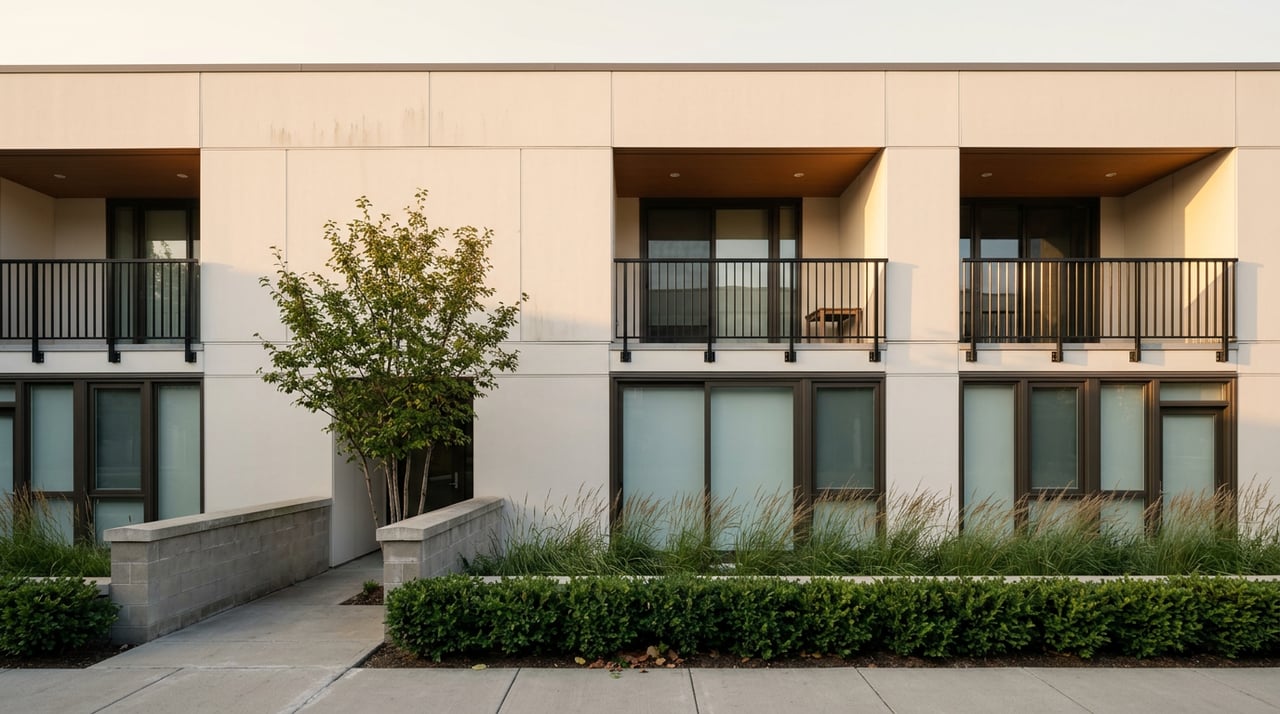
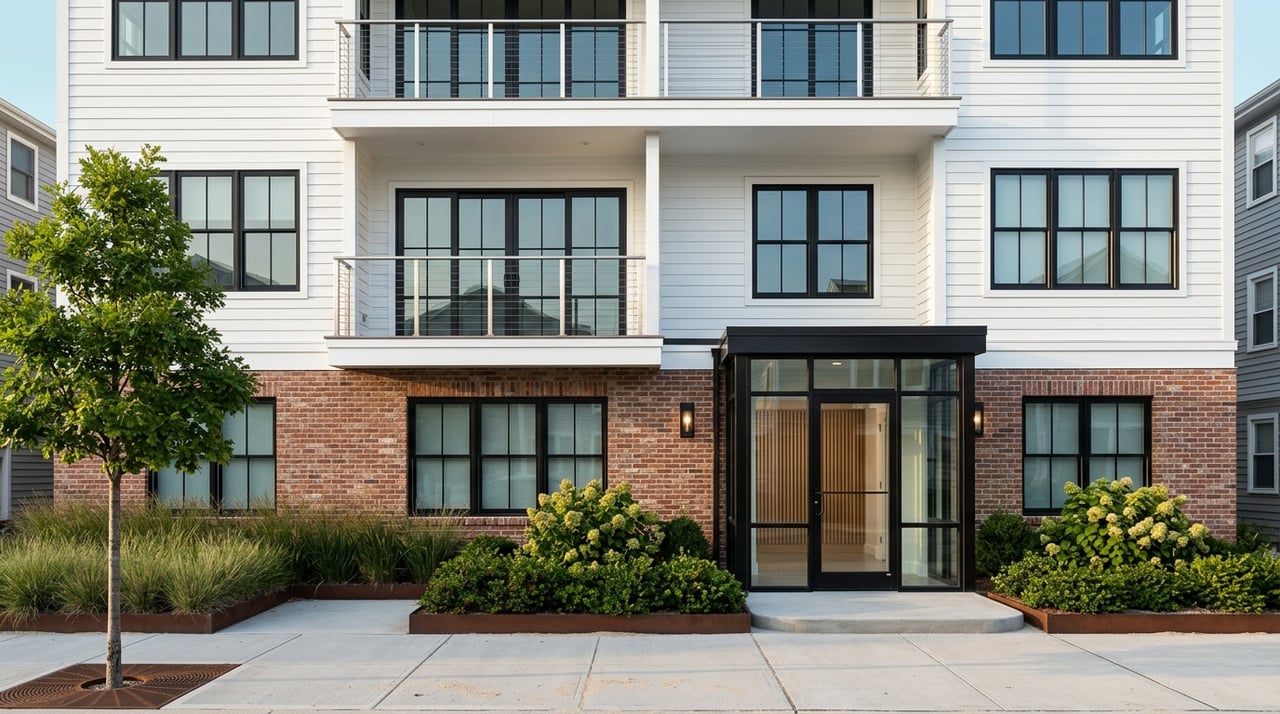
Because Asbury Park has multiple redevelopment areas, including the Waterfront, Central Business District, and Main Street, condo inventory often includes mixed-use and redevelopment-driven buildings. In these properties, buyers may find features like elevator access, parking, newer finishes, and a layout that feels more turnkey.
That does not automatically make newer better. It simply means your decision should match your priorities. If you want a lock-and-leave second home or a more streamlined ownership experience, a newer building may fit better than a loft conversion.
Location shapes value in Asbury Park
Asbury Park has eight redevelopment areas, and that helps explain why condos can feel so different from one part of town to another. The waterfront redevelopment plan allows mixed-use buildings, including rental or condominium uses, in the Prime Renewal Area. In practical terms, you may be comparing boutique buildings, mixed-use projects, and converted spaces all within the same city.
That is why a smart condo search starts with how you want to live. Do you want quick beach access, easier train access, downtown walkability, or a little more price flexibility inland? Your answer should help narrow the building types you focus on.
Downtown and transit access
Downtown Asbury Park is highly walkable, with a Walk Score of 91 on Redfin’s Downtown page. Asbury Park Station sits on NJ Transit’s North Jersey Coast Line between New York Penn Station and Bay Head, which adds commuting and regional access to the appeal.
If you want to leave the car parked more often, downtown may be worth a closer look. At the same time, high walkability can also bring more activity, more noise, and a different day-to-day feel than a quieter location.
Boardwalk and waterfront appeal
The city and state describe the beach and mile-long boardwalk as the city’s primary public open space. City pages also note attractions like mini golf, music, playgrounds, restaurants, retail, and a splash park, although boardwalk venues and shops are privately owned and operated.
Living near the boardwalk can be a lifestyle win, but it is smart to check current conditions too. The city’s Boardwalk Preservation page says the Convention Hall complex, including Convention Hall, the Paramount Theater, the Casino Arcade, the Carousel building, and the Steam Plant, has been closed because of public safety and structural integrity concerns. That means the nearby experience can shift as preservation work and projects move forward.
HOA details matter more than many buyers expect
When you buy a condo or loft, you are not only buying the unit. You are also buying into the association’s rules, finances, and approach to maintaining shared spaces.
In New Jersey, condo associations are governed by their master deed, bylaws, and restrictions, and the executive board acts on the association’s behalf. State guidance says annual budgets should include capital reserve fund balances, expected income and expenses, the physical status of common-area components, and anticipated repair or replacement costs.
New Jersey also requires associations to obtain a capital reserve study with a 30-year funding plan prepared or overseen by a reserve specialist, engineer, or architect. For you, that makes reserve funding and planned capital work central parts of due diligence.
What to review before you buy
Ask for the documents that help you understand the building’s financial health and future costs. A unit with a reasonable monthly fee can still become expensive if major repairs are coming and reserves are thin.
Focus on these questions:
- What does the HOA fee cover?
- When was the last reserve study completed?
- What is the current reserve balance?
- Has the association had special assessments in the past?
- Are any major repairs or capital projects planned soon?
Even a building with a reserve study can face unexpected repairs, special assessments, or association loans. That is why the goal is not perfection. The goal is knowing what you may be stepping into before you make an offer.
Rental rules can affect your plans
If you are buying a second home, future investment property, or flexible-use condo, rental rules deserve close attention. In Asbury Park, city materials define a short-term rental as 30 days or less and require zoning compliance, a short-term rental permit, and a certificate of inspection.
The city also states that the property must be the owner’s primary residence for short-term rental use. It lists a $500 initial permit fee and a $100 renewal fee. On top of that, buyers should know that Code Enforcement notes a Certificate of Resale Compliance is required before closing.
Just as important, city rules are only part of the picture. Association rental limits come from the master deed and bylaws, so you should verify both the city rules and the HOA’s lease restrictions before moving forward.
Ask these rental questions early
Do not wait until attorney review or late-stage due diligence to ask about rental use. If rental flexibility is part of your plan, get clarity as early as possible.
Key questions include:
- Are short-term rentals allowed by the city for this property?
- Does the HOA allow short-term rentals, long-term rentals, or neither?
- What is the building’s minimum lease term?
- Are there any caps, waiting periods, or registration rules for owners who lease?
Parking can change daily life
Parking is one of the biggest practical differences between Asbury Park condo buildings. The city says parking is a priority, uses pay-by-plate metered parking, and offers resident permits only to residents without off-street parking.
That means parking should never be treated as a small detail. A unit with deeded or assigned parking may offer much more daily convenience and stronger resale appeal than a similar unit without it.
When you tour a building, ask exactly how parking works. “Parking available” can mean very different things depending on whether the spot is deeded, assigned, shared, rented, or based on city permit eligibility.
A practical way to compare buildings
When buyers feel overwhelmed in Asbury Park, it is usually because they are comparing unlike properties. A loft conversion near downtown, a newer waterfront condo, and an inland unit with easier parking may all solve different problems.
Try using a simple comparison checklist while you search:
- Location: distance to downtown, the boardwalk, and NJ Transit
- Building type: loft conversion, mixed-use building, or newer condo development
- Monthly cost: HOA fee plus any parking or amenity costs
- Financial health: reserve study, reserve balance, and planned capital work
- Rental flexibility: city rules plus HOA restrictions
- Parking: deeded, assigned, permit-based, or none
- Lifestyle fit: noise, convenience, storage, elevator access, and everyday ease
This kind of side-by-side review can keep you from overvaluing finishes and undervaluing practical details. In a competitive market, clear criteria can help you move faster and with less second-guessing.
How to buy with more confidence
The biggest takeaway in Asbury Park is simple. You are not just buying square footage. You are buying a building, a location, a set of rules, and a day-to-day lifestyle.
That is especially true in a city where downtown, waterfront, and inland pricing can differ sharply, and where redevelopment, parking, transit access, and boardwalk conditions all shape value. The more carefully you review those variables, the better your odds of finding a condo or loft that fits both your budget and your long-term plans.
If you want help comparing Asbury Park condos and lofts with a practical, data-driven lens, Carly Ringer can help you sort through the micro-market details, building tradeoffs, and due-diligence questions that matter most.
FAQs
What makes Asbury Park condos different from other home types?
- Asbury Park condos often vary widely by micro-location, building style, parking, HOA structure, and proximity to downtown or the boardwalk, so the condo market can behave differently from the city’s broader housing market.
What should you ask about an Asbury Park condo HOA?
- You should ask what the HOA fee covers, when the last reserve study was completed, the current reserve balance, whether there is a history of special assessments, and whether major repairs or capital projects are planned.
What should buyers know about Asbury Park short-term rental rules?
- City materials say short-term rentals are stays of 30 days or less and require zoning compliance, a permit, and a certificate of inspection, and the property must be the owner’s primary residence, but buyers also need to confirm the HOA’s separate rental restrictions.
What should buyers know about parking in Asbury Park condo buildings?
- Parking can vary a lot by building, and because resident permits are offered only to residents without off-street parking, it is important to confirm whether parking is deeded, assigned, shared, or permit-based before you buy.
What locations matter most when buying a condo in Asbury Park?
- Buyers usually compare downtown for walkability and transit access, boardwalk or waterfront areas for beach proximity, and inland locations for possible price relief or parking flexibility, depending on their priorities.